Reliable Fence Replacement Services for Every Budget
Trustworthy fence replacement options are critical for property owners looking to improve their home. With a wide range of selections accessible, from budget-friendly chain link to elegant wooden styles, there is something for every budget. Recognizing personal requirements, such as seclusion and visual appeal, plays a key role in this decision. However, selecting the right contractor and materials can be overwhelming. What aspects ought to be examined to secure a favorable conclusion?
How to Select the Best Fence for Your Property
When considering how to choose the right fence for a property, one must analyze several key factors that impact the decision. The primary considerations include the primary role of the fence, such as privacy, security, or visual enhancement. Moreover, the surrounding climate has a substantial impact; materials must withstand environmental conditions to guarantee longevity. Land boundaries and municipal zoning requirements must likewise be assessed to eliminate the risk of disagreements with neighboring residents.
An equally significant consideration is upkeep; not all materials require the same level of attention. Homeowners need to assess their readiness to invest time and resources into maintaining their fence. Finally, personal style preferences should align with the property's architectural design. By evaluating these factors, property owners can make informed choices that enhance their space while fulfilling their specific needs.
Cost-Effective Fence Choices: Materials and Styles
When considering a fence replacement project, cost-effective choices can provide both affordability and style. Various materials, such as vinyl and chain link, offer cost-effective solutions without compromising on durability. Additionally, flexible design choices allow property owners to reach their aesthetic goals while keeping costs manageable.
Affordable Material Choices
Budget-friendly material choices for fencing can significantly influence both the budget and appearance of a property. Popular choices include chain link, which provides strength at a lower price, and vinyl, known for its minimal upkeep and extended durability. Timber fences, especially pressure-treated pine, offer a classic look and can be budget-friendly if sourced locally. Composite materials, while somewhat more expensive, merge the look of wood with enhanced durability, making them a valuable choice. In addition, bamboo is an sustainable choice that can add a unique character to exterior areas. Each option provides unique advantages, allowing homeowners to select choices that match their financial constraints while improving their property's appearance.
Flexible Design Choices
Selecting the ideal materials for a fence not only influences your budget but also creates multiple aesthetic choices. Homeowners can select from a range of cost-effective options, such as wood, vinyl, or chain-link fences, each offering unique design characteristics. For example, vinyl can resemble the look of natural wood while requiring less maintenance, while a chain-link fence is perfect for an open, unobtrusive view. Moreover, wood can be stained or painted to suit any landscape, allowing for personalization. Styles like split rail or picket styles can boost your property's appearance without straining your budget. By thoughtfully evaluating these options and designs, homeowners can create a beautiful fence that suits their landscape while staying within budget limitations.
Factors That Ensure Long-Lasting Durability
Although various materials offer distinct aesthetic qualities, their strength considerably affects the durability and care requirements of affordable fencing choices. Wood, while popular for its natural appearance, can suffer from rot and insect damage if not properly treated. Vinyl presents a more resilient alternative, resisting fading and cracking, though initial costs may be higher. Chain-link structures deliver reliable endurance at an affordable rate but compromise on seclusion and decorative value. Metal options like aluminum are lightweight and resistant to corrosion, making them suitable for various climates. At the end of the day, picking a material that strikes a balance between price and longevity is vital for making certain that value-focused homeowners have access to a sturdy fence that lasts through the years while demanding minimal care.
Essential Qualities to Consider in Fence Replacement Services
When assessing fence replacement services, what key qualities should homeowners focus on? Initially, experience and expertise are essential; well-established companies typically hold the expertise needed to address diverse fence types and installation demands. Moreover, a reliable service should maintain open communication, making sure clients remain informed during each phase of the project.
The quality of materials is another important factor, as they have a direct effect on the durability and aesthetic appeal of the fence. Homeowners should look for services that offer warranties, which demonstrates the provider's confidence in their craft and materials. Feedback and testimonials from previous clients can shed light on the reliability and professionalism of the service, assisting homeowners in choosing the right service provider.
Finally, flexibility in design options allows homeowners to pick designs that complement their preferences and property aesthetics. By considering these important factors, homeowners can select a fence replacement service that meets their needs and expectations effectively.
Comparing Costs: DIY Fence Replacement vs. Professional Installation
When evaluating fence replacement, homeowners frequently compare the costs of DIY projects against hiring professionals. A comprehensive examination of DIY expenditures reveals material costs, tools, and potential hidden fees, while professional options encompass workforce and specialized experience. Understanding these financial aspects is essential for making an informed decision.
DIY Expense Overview
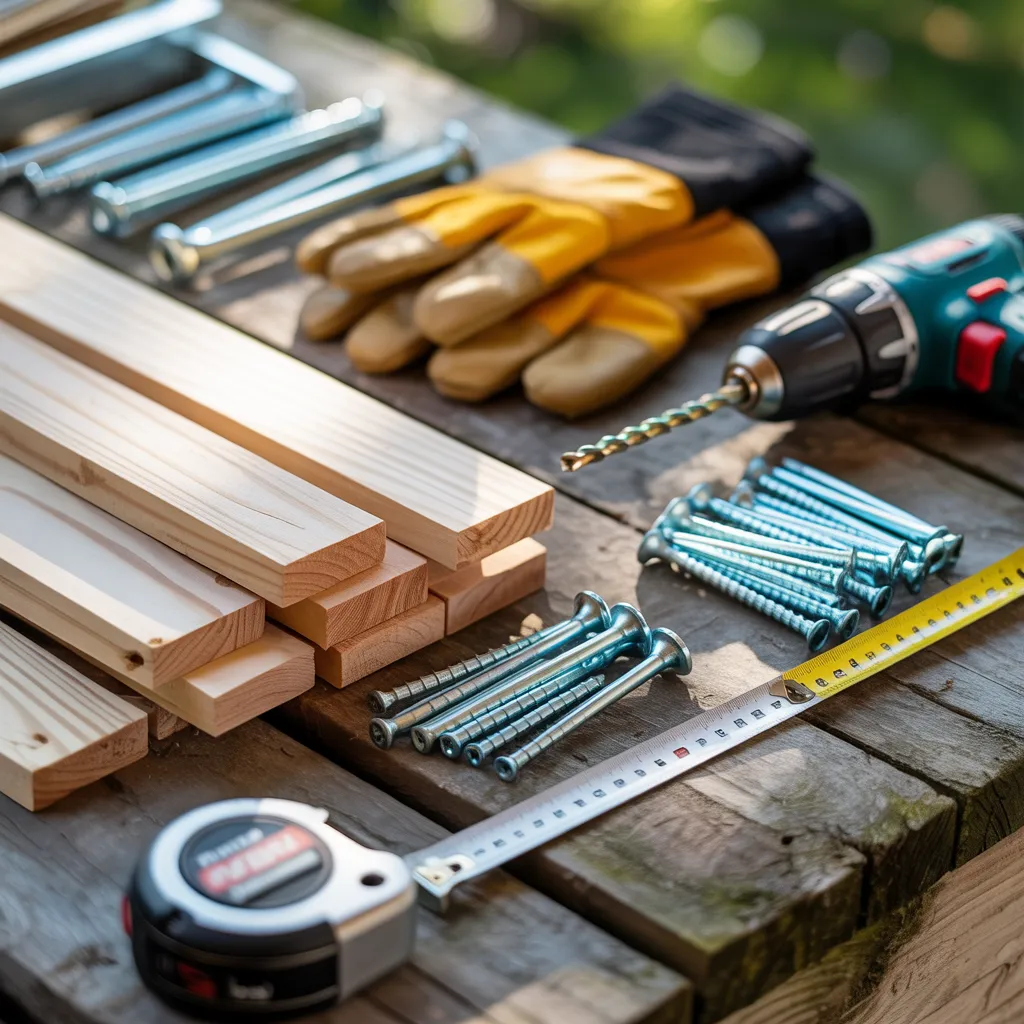
A great number of homeowners think about the expenses associated with fence replacement, weighing the benefits of a DIY approach against hiring professionals. The typical costs of a DIY fence replacement encompass materials, tools, and potential permit fees. The price of materials like wood, vinyl, or chain-link can differ significantly, as wood is typically the most budget-friendly choice. Homeowners need to account for the cost of necessary tools—acquiring or renting equipment can increase the total cost. Furthermore, although labor is not an immediate expense in a DIY undertaking, the amount of time required should be taken into account, as it may be considerable. Unexpected challenges, such as difficult terrain or weather conditions, may further impact the budget, making a detailed cost analysis critical before undertaking a DIY project.
Expert Service Costs
Homeowners considering the DIY route commonly find themselves assessing the costs associated with professional fence replacement services. Typically, hiring experts incurs labor costs between $30 and $50 per hour, based on the location and scope of the work. Materials can also add significantly to the total cost, with experts frequently selecting superior materials compared to DIYers. Additionally, professionals often include warranties and guarantees, offering enduring value and confidence. Although DIY efforts may appear more affordable at first, unforeseen expenses like equipment, time, and errors can accumulate rapidly. Therefore, for individuals who value quality and efficiency, professional services may prove to be a worthwhile investment in the long run.
An Overview of Fence Replacement Costs
What factors determine the price of fence replacement? Several factors influence the overall price of this project. To begin with, the choice of material—wood, vinyl, chain-link, or wrought iron—plays a significant role in pricing. Every material differs in durability, aesthetic appeal, and cost. Following that, the total area to be fenced significantly affects the total cost; larger spaces necessitate increased materials and more workforce.
Additionally, pricing can be affected by local labor rates and the complexity of the installation. For instance, the need for permits or uneven terrain can contribute to elevated labor costs. Additional features like decorative elements or gates should also be taken into account by homeowners. Pricing can also be influenced by seasonal demand, as contractors tend to charge higher rates during busy periods. Homeowners who grasp these variables will be better equipped to budget effectively and make informed choices for their fence replacement project.
Advice for Picking the Right Fence Replacement Contractor
Upon initiating a fence replacement endeavor, what considerations should one keep in mind when selecting a contractor? First and foremost, it is vital to validate the contractor's credentials, including certifications and insurance. This secures conformity with local guidelines and safeguards the homeowner from liability. Furthermore, assessing prior work and collecting references can offer valuable insight into the contractor's dependability and craftsmanship quality.
Additionally, gathering several quotes helps establish a better grasp of standard costs and helps identify concerning indicators. Effective communication is equally essential; a contractor should be prompt in their responses, transparent about the process, and prepared to respond to inquiries. Furthermore, reading online feedback can uncover client experiences and overall satisfaction. As a final point, a reputable contractor will include a warranty with their work, showing assurance in the quality of their work. By evaluating these key points, property owners can come to a thoughtful determination and select a professional who fits their requirements and financial plan.
Answers to Your Most Common Questions
How Much Time Does a Standard Fence Replacement Project Require?
A standard fence installation project generally takes one to two weeks, influenced by considerations including the total area involved, type of materials used, and environmental conditions that influence the work.
What Permits Are Required for Fence Replacement?
Generally, permits required for fence replacement vary depending on the area but commonly include zoning permits and building permits. Homeowners are advised to consult local rules and regulations to ensure they remain compliant, as requirements can vary considerably between governing municipalities and homeowner associations.
Can I Put Up a Fence on My Own Property Line?
Absolutely, a person can install a fence on their own lot line, given that they observe local zoning laws and regulations. It is wise to check property boundaries and communicate with adjoining neighbors to avoid potential disputes.
What Care Is Necessary After Fence Installation?
Routine upkeep following fence installation involves examining for any damage, washing down surfaces, adding protective coatings such as stains or sealants, securing any loose hardware, and making sure vegetation does not encroach. Regular maintenance prolongs the fence's lifespan and maintains its appearance.
Do Fence Materials and Installation Come with Warranties?
A variety of fence installation materials come with guarantees, differing by installer and manufacturer. Commonly, such guarantees cover performance and defects, providing assurance that customers receive security against connected information issues that may arise post-installation, boosting the overall sense of satisfaction and security in their investment.